
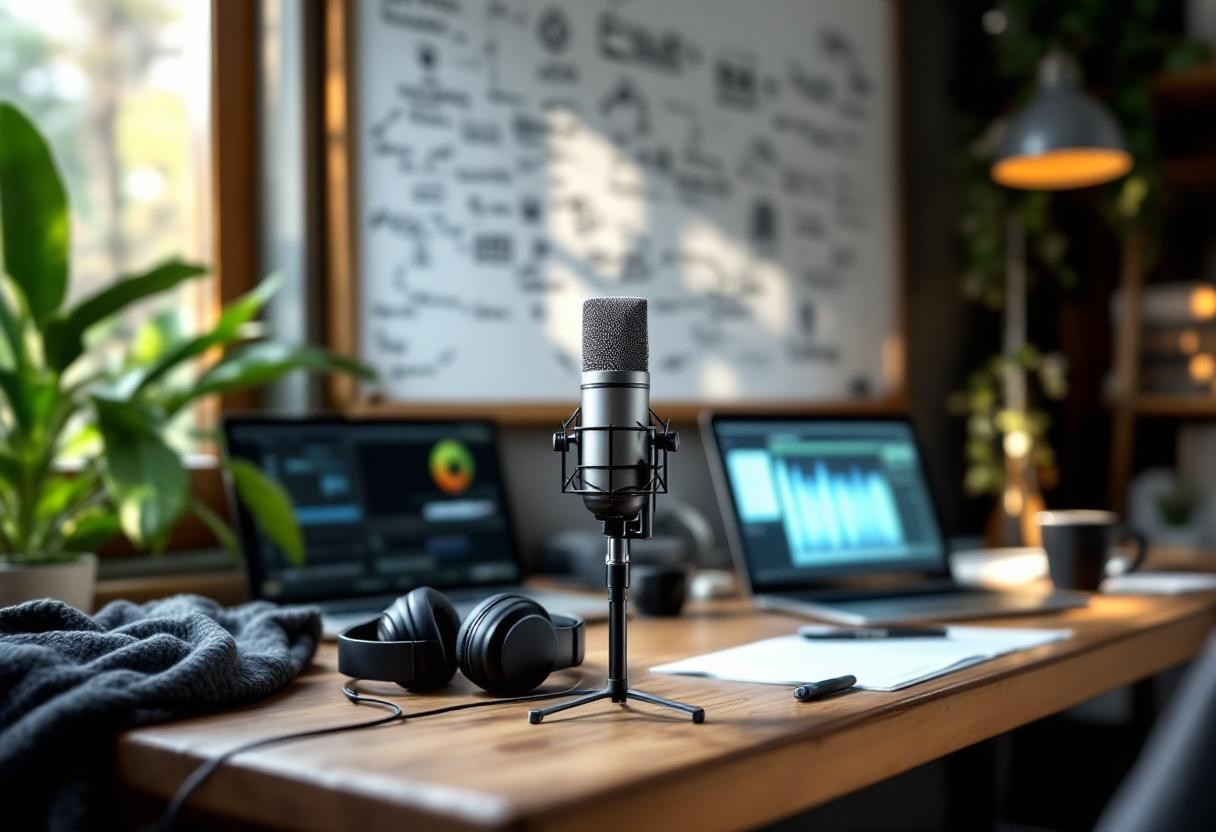
Transforming classroom ideas into engaging audio content offers educators and experts an exciting way to reach broader audiences. Launching a podcast focused on education goes beyond sharing knowledge—it can also unlock new income streams. As podcasting for education and schools continues to gain popularity, many are now blending traditional teaching with technology to build a thriving podcasting business or coaching venture. The transition from outlining concepts on a whiteboard to recording episodes behind the microphone follows a clear path that anyone can pursue with the right guidance and strategy.
Planning a successful educational podcast
Every impactful podcast starts with thoughtful planning and preparation. A well-defined concept ensures the content resonates with its target audience and keeps listeners engaged over time. In the educational space, this could include episodes focused on practical solutions for teachers, tips tailored to students, or creative strategies for lifelong learners.
Step-by-step guides are invaluable during the initial stages of podcast planning and preparation. Outlining episode structures, brainstorming future topics, and crafting scripts all contribute to organized and compelling content. By setting clear goals early, creators lay the groundwork for long-term success in podcast production.
Identifying your niche and audience
The secret to standing out lies in pinpointing a specific niche within education. Whether it is literacy for young learners, STEM strategies, history explorations, or innovative teaching methods, a defined focus makes it easier to identify and engage potential listeners—be they teachers, parents, students, or professionals.
Researching competitors and analyzing trending topics helps refine one’s niche even further. By addressing current gaps in educational audio content, a new show quickly becomes both relevant and in demand.
Developing a compelling show format
The most memorable podcasts maintain a consistent show format that entices audiences to return. Educational shows may alternate between solo lessons, expert interviews, and interactive Q&A sessions. This mix refreshes the listening experience while delivering value for different learning styles.
Deciding on elements such as ideal episode length, release schedule, and tone contributes to a strong structure. These choices support steady growth and encourage busy listeners to tune in week after week.
Selecting podcast equipment and tools
High-quality audio is essential for attracting and retaining listeners. The choice of podcast equipment and tools affects not only the professionalism of the sound but also the ease of managing regular recordings. It is wise to invest carefully from the outset, though there is no need for extravagant gear.
A basic setup typically includes a reliable microphone, comfortable headphones, and robust recording software. Affordable starter kits empower newcomers to podcasting for education or schools to begin without straining their budgets.
Recording essentials for beginners
An entry-level setup often features a dynamic USB microphone connected directly to a computer, user-friendly recording software, and simple foam panels to reduce room noise. This arrangement provides clear sound at a manageable cost.
Some podcasters opt for portable recorders when conducting interviews outside the studio. Lightweight and easy to operate, these devices make it possible to capture high-quality audio wherever inspiration strikes.
Editing and publishing software
Editing tools range from free applications to professional-grade platforms. Many users appreciate intuitive interfaces for trimming episodes, enhancing sound quality, and adding effects like intros or outros. Regularly refining audio results in a polished final product that stands out among other podcasts.
Publishing involves uploading finished episodes to hosting services. Most platforms offer built-in distribution, ensuring each new episode reaches targeted listeners across directories and apps.
Mastering production and promotional techniques
No show grows through great content alone. Every aspect of podcast production—from booking guests to refining interview techniques—builds credibility and broadens reach. Effective promotion connects episodes with those who will benefit most, creating opportunities for future profitability.
Promotional efforts might include sharing teasers on social media, collaborating with fellow educators, growing mailing lists, or providing exclusive bonus material. These tactics help new listeners discover valuable educational content in a crowded market.
Finding and booking engaging guests
Expert interviews enrich any educational podcast by introducing diverse perspectives. Securing noteworthy guests begins with personalized invitations, highlighting shared objectives, or emphasizing the advantages of connecting with a wide educational audience.
Scheduling recordings based on guest availability minimizes conflicts and demonstrates respect for their time. Preparing backup questions ensures every conversation remains natural and informative.
Perfecting interview skills
Strong interview techniques foster insightful discussions and inspire guests to share unique stories. Open-ended questions and attentive listening allow conversations to unfold naturally, maintaining listener interest throughout each episode.
Pacing is crucial; allowing guests time for thoughtful responses often reveals rich anecdotes and expert insights that scripted exchanges cannot match.
Monetization and profitability strategies
Generating revenue from podcasting is achievable—even in the educational field. Common approaches include landing sponsorships, selling branded merchandise, or offering paid bonus content. For ongoing income, building a membership community around the podcast can provide steady support.
Leveraging a host’s reputation opens doors to the broader podcasting business or coaching landscape. Many evolve from sharing free advice in episodes to hosting workshops, delivering tutorials, or offering premium resources—transforming passion projects into sustainable businesses.
Popular revenue models for educational podcasts
Diversifying revenue streams brings the best long-term results. Consider these options:
- Sponsorships with brands aligned to education
- Crowdfunding campaigns featuring episode previews or special mentions
- Sales of digital downloads, lesson plans, or e-books
- Online courses related to podcast themes
- Live events, webinars, or mastermind groups
Such models allow flexibility and adaptation as the audience evolves and preferences shift.
Expanding through coaching and consulting
Podcasting paves the way for coaching and consulting opportunities. Listeners who value freely given insights may seek direct, tailored guidance. Moving beyond pre-recorded content into personalized mentorship delivers substantial benefits for both coach and client.
This dual approach strengthens brand identity and multiplies avenues for profitable engagement, ensuring that transitioning from whiteboard to microphone leaves a meaningful impact on the world of education.
Frequently asked questions about launching a successful educational podcast
What are the essential pieces of podcast equipment and tools needed to get started?
- USB or XLR microphone for clear voice capture
- Noise-canceling headphones for accurate audio checks
- Reliable recording/editing software compatible with your device
- Basic acoustic treatment (foam panels or carpets)
- Hosting platform for distributing episodes online
Investing in quality basics results in better sound and less frustration during editing and publishing.
How does one approach podcast planning and preparation for an educational show?
- Choose a narrow theme or subject area
- Map out several example episode titles ahead of time
- Create templates and outlines for solo topics or interviews
- Develop a realistic production schedule
Detailed plans make it simpler to maintain consistency and grow an engaged audience over time.
Which monetization and profitability channels work best for educational podcasts?
| Channel | Potential Benefit |
|---|---|
| Sponsorships | Steady revenue from aligned organizations |
| Membership programs | Recurring income from loyal listeners |
| Merchandise sales | Brand amplification through physical products |
| Coaching/consulting | Direct engagement for higher-ticket returns |
Combining two or more methods often yields stronger financial stability.
What interview techniques should hosts use for engaging educational podcast guests?
- Ask open-ended questions to prompt story sharing
- Listen actively and follow up on intriguing comments
- Maintain a friendly yet concise structure
- Give guests full attention to foster genuine connections
Well-prepared and empathetic interviewing always results in richer content and a more captivating listening experience.




0 Comments